Weak Revenue Mobilisation Could Undermine Local Development – ICAG CEO Cautions MMDAs
The Chief Executive Officer (CEO) of the Institute of Chartered Accountants, Ghana (ICAG) E.O. Osae , FCA has cautioned that persistent weaknesses in local revenue mobilisation could cripple the ability of Metropolitan, Municipal and District Assemblies ( MMDAs) to deliver development and sustain essential services. He gave the caution at a special orientation organised by ICAG for its nominees to MMDA Audit Committees ahead of their nationwide inauguration today.
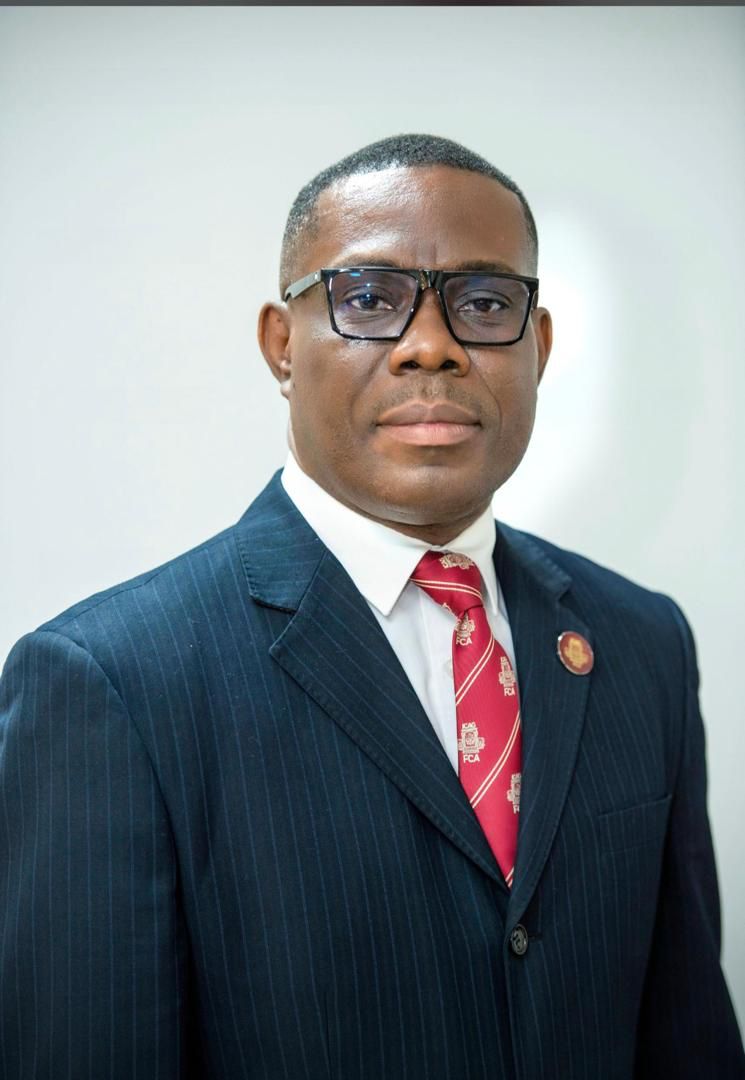
The Chief Executive Officer (CEO) of the Institute of Chartered Accountants, Ghana (ICAG) E.O. Osae , FCA has cautioned that persistent weaknesses in local revenue mobilisation could cripple the ability of Metropolitan, Municipal and District Assemblies ( MMDAs) to deliver development and sustain essential services.
He gave the caution at a special orientation organised by ICAG for its nominees to MMDA Audit Committees ahead of their nationwide inauguration today.
According to the CEO , many Assemblies are yet to build resilient systems to identify, collect and account for Internally Generated Funds, leaving them dangerously over-reliant on central government transfers.(IGF)
Four (4) Systemic Gaps Crippling Revenue.
Grouping 12 operational challenges into four thematic gaps, the CEO cited:
1. Management and Strategy Gaps: Poor target-setting, late distribution of bills, ceding lucrative revenue points to private collectors at exorbitant commissions, and failure to prioritise revenue as a core policy.
2. Data and Systems Gaps: Absence of updated, credible revenue databases, unreliable socio-economic data for forecasting, and failure to migrate from manual to digital collection systems.
3. Enforcement and Compliance Gaps: Suppression and diversion of bills by collectors, weak enforcement of bye-laws, political interference, and inadequate pursuit of rate defaulters.
4. Accountability Gaps: Inadequate stakeholder engagement, poor tax education, weak collaboration among MMDAs, and failure to link revenue collected to visible service delivery.
Why It Matters
The CEO warned that the consequences extend beyond cash shortfalls.
“An Assembly that cannot mobilise its own revenue risks a cut in its share of the District Assemblies Common Fund, failure under the District Performance Assessment , and loss of access to investment funding. Ultimately, the people are denied development,” he said.
He noted that weak IGF directly constrains the capacity of Assemblies to meet recurrent expenditure, execute capital projects and respond to emergencies, thereby undermining fiscal decentralisation as envisaged under the 1992 Constitution and the Local Governance Act, 2016 (Act 936).
ICAG’s 9-Point Blueprint for Reform.
To reverse the trend, the CEO proposed a shift to data-driven and accountable revenue mobilisation:
1. Profile all potential revenue sources and diversify into high-yield areas;
2. Overhaul collection and accounting techniques to seal leakages;
3. Build and regularly update a comprehensive digital revenue database;
4. Accelerate street naming and property addressing to widen the tax net;
5. Strengthen and build capacity of revenue mobilisation teams;
6. Enforce bye-laws and pursue persistent defaulters lawfully;
7. Deploy Area Councils as community-level collection and sensitisation points;
8. Publish periodic revenue performance reports to build public trust; and
9. Visibly link revenue to service delivery.
He stressed that sustained public sensitisation and transparency are essential to improving voluntary compliance.
Call to Action
The CEO concluded that for ICAG, supporting MMDAs to fix revenue systems goes beyond compliance with the Public Financial Management Act, 2016 (Act 921) It is about ensuring that decentralisation translates into tangible development.
Stronger local revenue is the foundation for self-reliant, accountable and development-oriented local government,” he added.